
How Your Daily Food Choices May Be Increasing Colon and Stomach Cancer Risk
Apr 10, 2026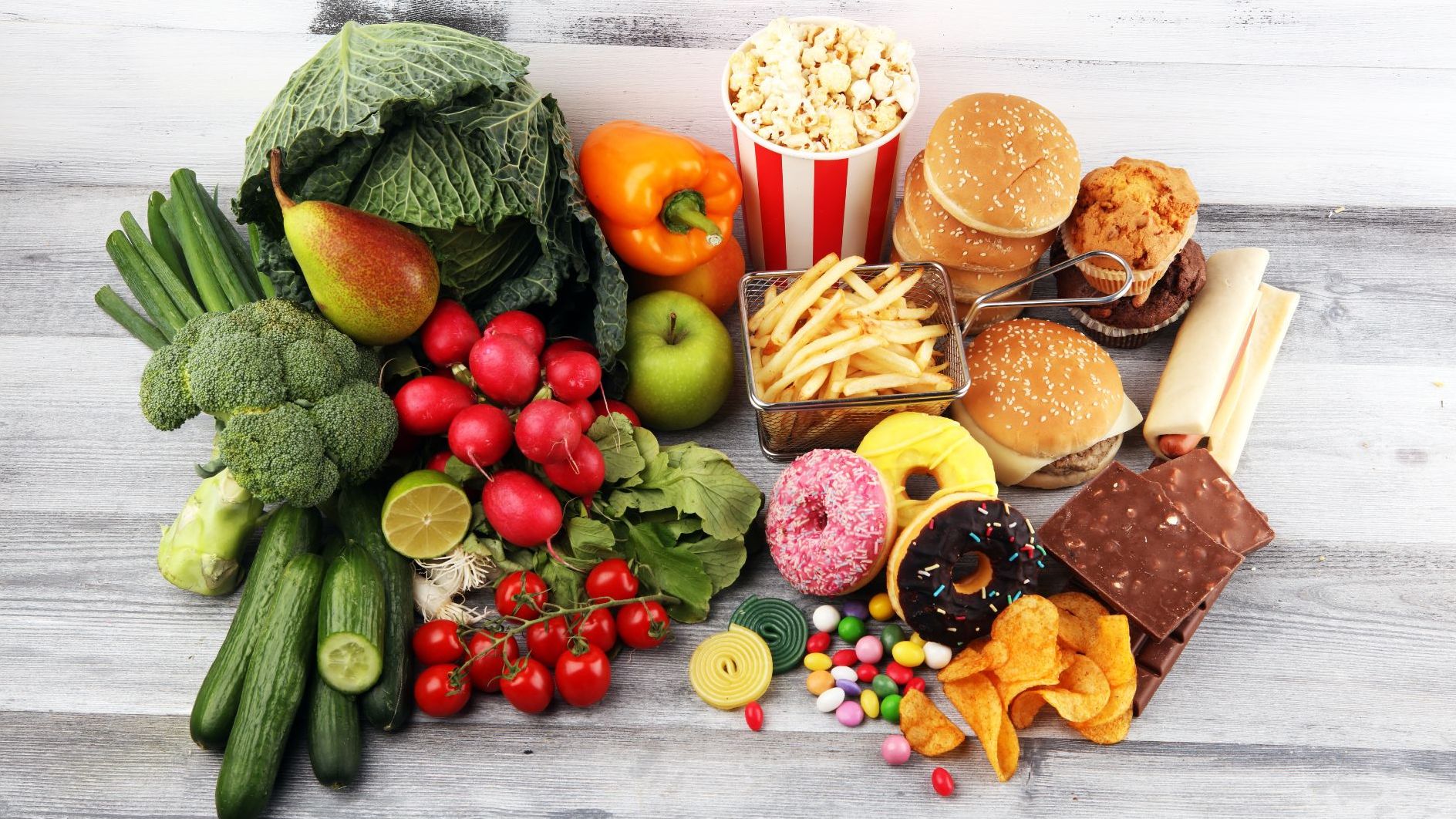
Most people do not think they are putting themselves at risk.
- They are just busy.
- They are tired.
- They are grabbing what is convenient.
- They are telling themselves they will clean things up next week.
That is what makes this conversation so important.
Because for many people, the choices that slowly shape long-term health do not feel dramatic in the moment. They feel normal. A drive-thru lunch. A low-fiber day. Another week of poor sleep. Digestive symptoms that keep getting brushed off. A diet that is technically enough food, but not the kind of food that truly supports the gut.
Then one day, people start hearing more and more about colon cancer in younger adults. They hear stomach cancer mentioned more often too. And suddenly the question changes.
Not, “Could this happen to someone?”
But, “Could the way I am living be increasing my risk more than I realize?”
That is the question worth asking. This is not medical advice. It is education. But good education can be powerful because it helps people step out of autopilot and look honestly at the patterns they have normalized.
Why this matters more now
Colon cancer is no longer something only older adults need to think about. The statistics have been moving in a direction that should get attention. Younger adults are being diagnosed more often, and many are diagnosed later than they should be because the symptoms were dismissed, overlooked, or explained away.
That should not create fear. It should create awareness. Because awareness is where better choices begin.
Stomach cancer is still less common than colon cancer, but it is also part of the conversation now in a way many people did not expect. Researchers are paying closer attention to changing patterns, especially in younger groups, and one of the biggest reasons is that the modern gut environment looks very different than it used to.
That matters. Because your gut is not separate from your long-term health. It is one of the places where your daily choices leave a mark.
The real issue is not just cancer. It is the terrain.
Most people wait until something sounds scary before they start paying attention. But the bigger issue usually starts much earlier. It starts with the terrain.
Your gut is not just where food goes. It is where food is broken down, nutrients are absorbed, immune signals are influenced, inflammation is either calmed or fueled, and trillions of bacteria help shape what kind of internal environment you are building.
That internal environment can become more protective. Or more vulnerable. That is why the gut microbiome matters so much.
When people talk about “missing healthy bacteria,” they are really talking about losing some of the natural support systems that help keep the gut lining strong, inflammation under better control, and the colon environment healthier.
In other words, the body loses some of its backup.
So what bacteria are we talking about?
When researchers look at colorectal cancer, they often find lower levels of helpful bacteria that support gut health, especially bacteria involved in producing compounds like butyrate. Butyrate helps nourish the cells of the colon and supports a healthier gut lining.
Two names that come up often are Faecalibacterium prausnitzii and Bifidobacterium. Most people have never heard of them. But their job matters.
These types of bacteria help do the quiet work that keeps the gut environment more balanced. They help support the barrier of the intestine. They help reduce excess inflammation. They help turn fiber into beneficial compounds. And when people consistently eat in a way that does not feed those bacteria, they may slowly lose some of that protection.
That does not mean one missing bacteria causes cancer. It means the gut ecosystem starts shifting in a less favorable direction. And that shift may matter more than people think.
The stomach has its own version of this story
With stomach cancer, one of the biggest known issues is H. pylori, a bacteria that can damage the stomach lining over time. But even beyond that, researchers are also looking at broader disruption in the gut and stomach microbiome.
So while colon cancer and stomach cancer are not exactly the same story, they do share an important theme: A damaged, inflamed, poorly supported gut environment may be more vulnerable than a resilient one.
That is the part people need to hear. Not because food is magic. Not because one probiotic fixes everything. But because the body responds to what it is repeatedly given.
This is where it gets personal
It is easy to read an article like this and think of someone else.
- Someone who eats terribly.
- Someone with obvious symptoms.
- Someone older.
- Someone with bad genetics.
But that is not always how real risk works. Sometimes risk builds quietly through habits people barely question anymore.
- Skipping fiber day after day.
- Living on ultra-processed snacks.
- Regular processed meat intake.
- Too much alcohol.
- Too little movement.
- Poor sleep.
- Chronic stress.
- Ongoing constipation.
- Bloating after meals.
- Reflux that seems “normal.”
- A change in bowel habits that gets ignored.
None of those may feel urgent on their own. But together, repeated over years, they can create a pattern. And patterns matter. This is the moment where people need to stop asking, “Am I perfect?” and start asking, “What direction am I heading in?” Because direction is what shapes outcomes.
A hard but honest question
If you are eating in a way that does not nourish beneficial gut bacteria, does not support regular bowel movements, keeps inflammation higher, and leaves your digestion struggling, are you helping yourself?
Probably not. That is not judgment. That is reality.
A lot of people are under-eating plants, over-eating convenience foods, and assuming a multivitamin or probiotic somehow covers the gap.
It does not work that way. Your gut responds most to your overall pattern.Not your best meal of the week.
Not your healthy Monday. Not the supplement you take while still eating in a way that works against your body. Your pattern is the message.
What people should honestly examine
This is where the average reader needs to slow down and really look at their life.
Ask yourself:
- Do I eat enough fiber every day, or do I mostly eat what is fast and easy?
- How often do I go through a day without eating real vegetables, fruit, beans, or whole foods that actually feed beneficial gut bacteria?
- How often am I eating processed meats like bacon, sausage, deli meat, hot dogs, or pepperoni?
- Have I normalized bloating, constipation, diarrhea, reflux, or stomach discomfort?
- Do I think being “too young” protects me from bigger problems?
- Have I put off screening, testing, or evaluation because I do not want to deal with it?
- Am I acting like my body’s warning signs are an inconvenience instead of information?
Those questions matter because they move this out of the abstract.
This is no longer just about “cancer statistics. This becomes about the life someone is living right now.
The encouraging part: risk is not only about what has already happened
People often shut down when health topics feel heavy. But the part I want people to hear clearly is there is still so much you can improve. That is the hopeful part of this story.
You may not control every variable. But you do have influence over the daily environment you are creating inside your body. That means the goal is not fear. The goal is action. Simple, steady, practical action.
What better choices can look like
From a nutrition coaching standpoint, this starts with rebuilding the basics.
Eat more foods that feed beneficial bacteria
That means more fiber-rich foods like vegetables, berries, beans, lentils, oats, seeds, and other whole plant foods. Many people are dramatically under-consuming the very foods that help the gut produce protective compounds.
Stop treating processed foods like the foundation of the diet
Convenience foods happen. That is real life. But when they become the base of the diet instead of the exception, the gut often pays the price.
Cut back on processed meats
This is one of the clearest places many people can improve. What feels normal culturally is not always protective biologically.
Take digestive symptoms seriously
Persistent bloating, reflux, upper stomach pain, constipation, diarrhea, blood in the stool, unexplained fatigue, or shifts in bowel habits should not be brushed off just because life is busy.
Respect screening
Screening is not overreacting. It is wisdom. Catching problems earlier changes outcomes.
Think pattern over perfection
You do not need a perfect diet. You need a better direction. That is what builds momentum and changes the internal terrain over time.
What this means as a coach
As a nutrition coach, I would never want people walking away in fear. I would want them walking away honest.
Honest about the fact that health is often shaped by daily choices long before there is a crisis.
Honest about the fact that a struggling gut is not something to keep ignoring for years.
Honest about the fact that what has become common in modern life is not always normal in the way the body experiences it.
And honest about the fact that better choices really do matter.
Not overnight. Not perfectly. But meaningfully.
Because every meal is either helping build a more resilient internal environment or continuing to wear it down.
That is not sensational. That is just how the body works.
A gentle wake-up call
This article is not here to scare anyone. It is here to ask a better question:
Are the choices you call normal actually helping protect your future?
For many people, that answer may be uncomfortable. But uncomfortable awareness is often the beginning of change. If your gut has been asking for help through bloating, constipation, reflux, irregularity, inflammation, or a diet that has gone too far toward convenience, this may be the moment to stop ignoring it. Not because fear is useful. Because your future health is worth more than staying comfortable in patterns you already know need to change.
The Real Takeaway
The rise in colon and stomach cancer should push more people to look honestly at the life they are living now. Low fiber intake, processed foods, processed meats, poor gut health, ignored digestive symptoms, and delayed screening can all move someone in the wrong direction over time. The good news is that daily choices still matter.
This is not a fear story. It is a wake-up story.
Your daily habits are not meaningless. Your gut is not separate from long-term health. And the way you eat, move, recover, and respond to symptoms is shaping something.
The good news is that many people still have room to improve their direction.
- More fiber.
- Less processed food.
- Less processed meat.
- More awareness.
- More respect for symptoms.
- Better screening habits.
- Better gut support through real food and daily consistency.
You do not need to become obsessive.
But you do need to stop acting like your current pattern has no consequences. Supporting beneficial gut bacteria, improving food quality, and paying attention sooner may help create a healthier long-term outcome.
